
Film graphic
Fashion meets collectibles! Brands like Supreme, Louis Vuitton, and Bearbrick are partnering with renowned artists to release limited-edition items that blur the line between art and collectibles https://voltage-bet.io/nfl/. These items sell out instantly, often reselling for 5-10x their original price.
Collectura is dé verzamelaarswinkel waar jong en oud een goede kans maken op een ontbrekend collectorsitem. Stripfanatici en animefans behoren tot onze vaste klanten. Wat dacht u bijvoorbeeld van onze muziekcollectables? Onze verzamelaarswinkel ligt in dé Beatstad van Nederland, Den Haag. We hebben dan ook een eer om hoog te houden. Zoek eenvoudig naar de verzamelobjecten die u wilt kopen via de zoekfunctie in onze webshop. Het menu helpt u om interessante items te vinden waarvan u niet wist dat u ze zocht. Of u nu zoekt naar muziek, speelgoed of artikelen van Kuifje; u vindt het in onze winkel.
While sports cards remain hot, trading card expansions are shaking up the market. Pokémon, Magic: The Gathering, and even luxury brand trading cards are gaining traction. With record-breaking auctions (like the $6 million sale of a Pokémon Illustrator card in 2023), investors are taking trading cards seriously.
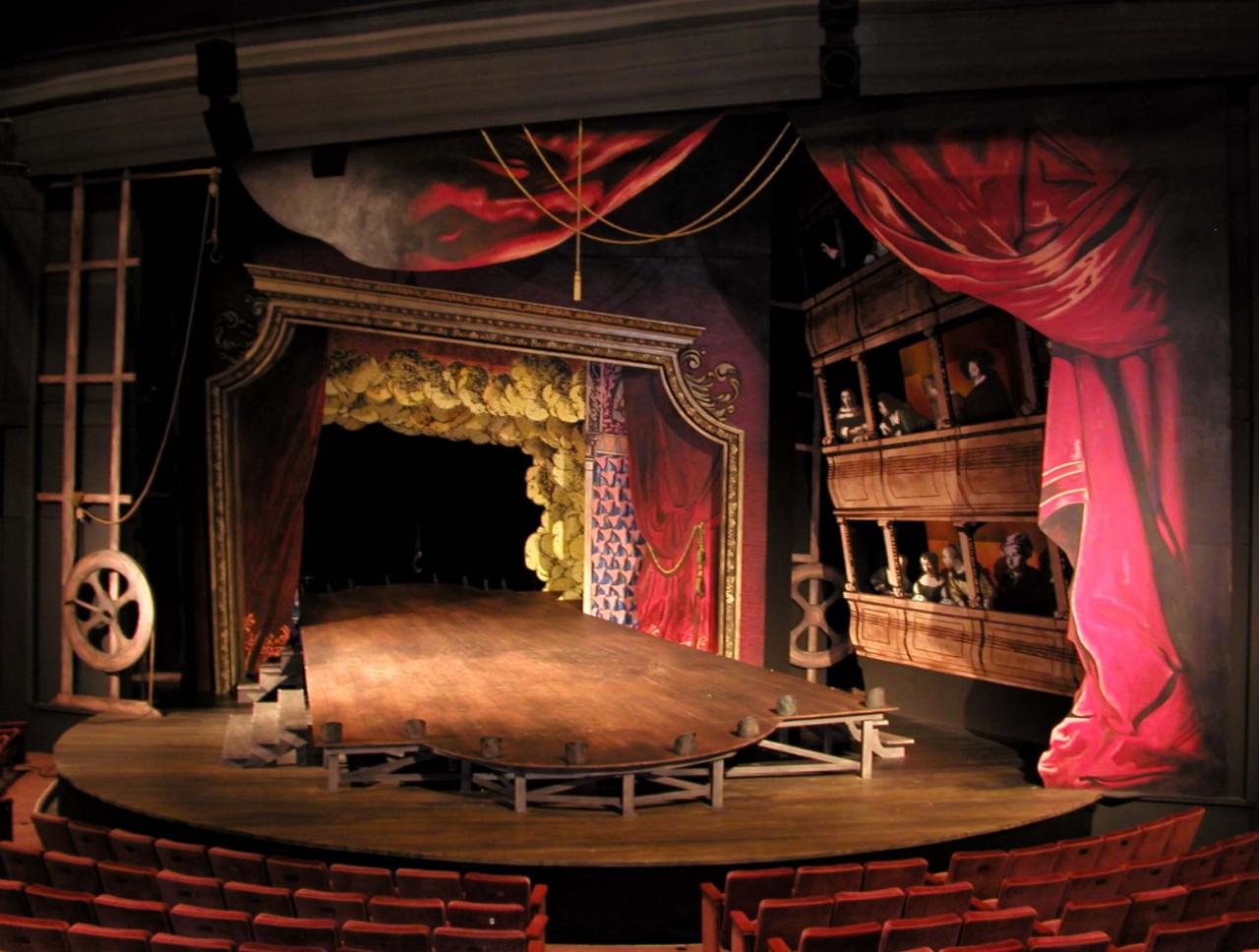
Theatrical artwork
Plot stands as the paramount component in a narrative, encompassing the events within a play and the sequence in which these events unfold. There is no exact method to structure a drama; nonetheless, the effectiveness of a drama’s structure relies on its deliberate formation to evoke the intended response from the audience.
Numerous plays delve into societal issues, offering a platform for critical reflection and discussion on topics such as politics, human rights, and social justice. With the ability to evoke a wide range of emotions, theater provides a cathartic experience for both performers and audiences.
In het theater zien we de werkelijkheid in al haar facetten in gecomprimeerde, beter gezegd geabstraheerde vorm terug. Het individualisme van de mens, een belangrijk gegeven in de hedendaagse maatschappij, vinden we in het theater terug in de wijze waarop meestal één acteur of object tegelijk belicht wordt. De verdere omgeving op het toneel is gehuld in het donker, zodra een acteur geen rol meer speelt, dooft het licht en lijkt hij opgezogen te worden naar de achtergrond. Alle aandacht richt zich op de figuren in de schijnwerpers en het publiek laat zich gewillig meevoeren in het spel van deze zinsbegoocheling.
The Renaissance witnessed a revival of interest in classical Greek and Roman theater, influencing the works of playwrights like William Shakespeare. The 17th and 18th centuries saw the rise of neoclassical ideals and the birth of the opera.
Behind the scenes, theatre is a complex art form rooted in ancient traditions that continue to evolve. The foundations of theatre art were laid in Greece, but throughout history, it has adapted to reflect the changing tastes and cultural narratives of societies around the world. Modern theatre continues to explore new narratives, methods, and technology, thus constantly redefining the boundaries of performance and audience engagement. This persistent transformation keeps theatre a relevant and dynamic form of cultural commentary and creative expression.
Cinematic artwork
Looking ahead, the influence of cinematic techniques in painting is likely to grow, driven by advancements in technology and the ongoing exploration of new narrative forms. Artists will continue to push the boundaries of visual storytelling, integrating elements of film, digital media, and traditional painting to create works that are both innovative and deeply engaging.
Edward Hopper is often celebrated for his ability to capture the quiet moments of American life with a cinematic eye. His style, characterized by its meticulous attention to detail, dramatic use of light and shadow, and carefully constructed compositions, draws heavily from cinematic techniques. Hopper’s paintings frequently depict scenes that seem to be plucked from a film still, evoking a sense of narrative and inviting viewers to speculate on the stories behind the images.
One of the earliest examples of cross-influence between filmmakers and painters can be seen in the works of the Impressionists and Post-Impressionists, who were contemporaneous with the birth of cinema. Artists like Edgar Degas and Pierre-Auguste Renoir, who had an interest in the emerging art form of photography, were intrigued by the motion and framing that cinema introduced. Degas, in particular, experimented with capturing movement in his paintings, drawing inspiration from the way film sequences portrayed the fluidity of motion.
The relationship between film and painting is a fascinating interplay of visual arts, where each medium has continually borrowed and evolved from the other. Since the advent of cinema in the late 19th century, the dynamic and immersive nature of film has captivated audiences and influenced various forms of artistic expression. Painters, in particular, have been inspired by the narrative and visual techniques developed in cinema, incorporating these elements into their work to create compositions that are rich in storytelling and emotional depth.
Elio’s room soon becomes Oliver’s, the visiting doctoral student played by Armie Hammer. The result is a kind of mélange between the two. Elio’s interests and belongings seep into Oliver’s and vice versa, eventually leading them to call each other by their names.
Film’s ability to convey complex narratives through visual imagery has revolutionized the way stories are told, using techniques such as framing, lighting, and sequential progression to guide viewers through a visual journey. These cinematic techniques have found their way into the realm of painting, where artists strive to evoke similar narrative experiences within the static confines of a canvas. This blend of film and painting results in narrative-driven compositions that not only capture a moment in time but also suggest a broader story, inviting viewers to engage with the artwork on a deeper level.